Child custody cases in Austin can involve much more than deciding where a child will spend the week. Parents may disagree about decision-making, school and medical care, living arrangements, communication, safety concerns, or the amount of time each parent should have with the child.
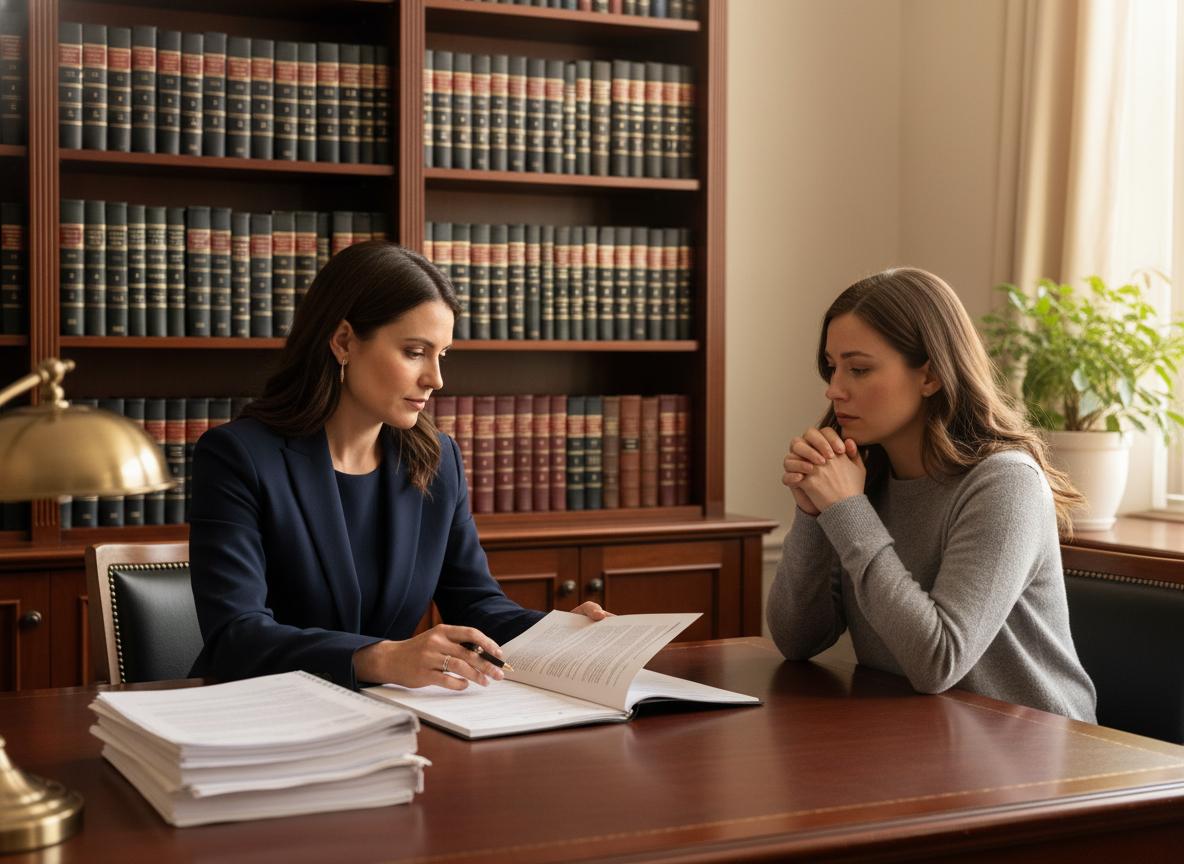
Because these disputes can involve competing accounts of what happened, preparation matters. An Austin custody attorney may help a parent identify relevant evidence, organize records, and present information in a way that addresses the issues the court must consider.
In Texas, the court’s primary consideration in determining issues affecting a child is the child’s best interest. That means evidence should not simply show that one parent is unhappy with the other. It should help the court understand the child’s circumstances and the issues relevant to the requested custody or possession arrangement.
What Evidence Matters in a Texas Custody Case?
There is no single document that automatically determines the outcome of a custody dispute. The usefulness of evidence depends on the facts of the case and what the court is being asked to decide.
A well-prepared custody case may include several categories of evidence, such as:
- Parenting and caregiving records
- School and educational records
- Medical and healthcare information
- Communications between the parents
- Documentation concerning exchanges and visitation
- Evidence concerning the child’s daily routine
- Information about living arrangements
- Records involving safety or family violence when relevant
- Witness testimony
- Photographs, videos, or other relevant documentation
- Existing court orders and records showing compliance or alleged violations
The goal is not to collect everything possible. The goal is to identify information that is relevant, reliable, and connected to the issues before the court.
Document the Child’s Day-to-Day Care
One of the most useful areas to document is the child’s ordinary routine. A parent may have evidence showing who regularly:
- Takes the child to school
- Picks the child up from school or activities
- Attends parent-teacher meetings
- Takes the child to medical or dental appointments
- Helps with homework
- Handles extracurricular activities
- Maintains the child’s regular schedule
- Communicates with teachers or healthcare providers
- Provides transportation
- Manages the child’s everyday needs
This type of information can provide context about each parent’s involvement in the child’s life.
However, parents should avoid turning ordinary parenting responsibilities into an attempt to create artificial evidence. A custody case is generally stronger when records reflect the family’s actual circumstances rather than a collection of documents created solely for litigation.
School Records Can Help Establish a Pattern
School information can provide objective documentation about a child’s education and routine. Depending on the circumstances, relevant records may include:
- Attendance information
- Report cards
- Teacher communications
- Parent-teacher conference records
- Special education documentation
- School activity participation
- Disciplinary records when relevant
- Records showing involvement in the child’s education
For example, if the parents disagree about who has historically been involved in the child’s schooling, school records may help provide a more complete picture.
Parents should also be careful about how they use school records. A poor grade or isolated absence does not necessarily establish that a parent is incapable of caring for a child. The significance of a record depends on the surrounding facts.
Medical and Healthcare Records
Healthcare documentation can also be relevant when medical care is an issue in the custody dispute.
Potentially relevant information may include:
- Appointment records
- Treatment history
- Prescription information
- Communications with healthcare providers
- Records showing attendance at appointments
- Documentation concerning ongoing medical needs
- Information regarding a child’s developmental or educational needs when relevant
A parent should not assume that obtaining a child’s medical records automatically proves that the parent should receive a particular custody arrangement. Instead, medical evidence can help establish the child’s needs and how those needs have been addressed.
Privacy and access to medical information can also depend on the circumstances and any existing court orders, so parents should obtain and use records appropriately.
Preserve Communication Between the Parents
Text messages, emails, parenting-app communications, and other written communications can become important when parents disagree about what was said or agreed upon.
Relevant communications may address:
- Requests for possession or visitation
- Schedule changes
- School issues
- Medical appointments
- Transportation
- Exchanges
- Decision-making disagreements
- Concerns about the child’s welfare
- Attempts to resolve disagreements
The most useful communication evidence usually provides context rather than isolated statements.
Parents should avoid sending angry, threatening, insulting, or inflammatory messages simply because they believe those messages might later be used in court. Written communication can become part of the record, and messages created during a custody dispute may be viewed in the context of the parent’s overall conduct.
A parent who is concerned about communication should generally focus on being factual, respectful, and child-focused.
Keep a Reliable Parenting and Visitation Record
When possession or visitation is disputed, maintaining an accurate record can help establish what actually occurred.
A parenting record might include:
- Scheduled possession periods
- Actual exchanges
- Cancellations
- Late arrivals
- Missed exchanges
- School events
- Medical appointments
- Important communications
- Significant incidents affecting the child
The record should be factual rather than argumentative.
For example, instead of writing, “The other parent deliberately tried to ruin my relationship with my child,” a parent should record the specific event, including the date, scheduled exchange time, what occurred, and any relevant communication.
Specific facts are generally more useful than conclusions.
Evidence Concerning Safety or Family Violence
Safety issues can significantly change the issues involved in a custody case.
If allegations of family violence, child abuse, neglect, substance misuse, or another safety concern are part of the dispute, relevant evidence may include:
- Police reports
- Protective orders
- Medical records
- Photographs
- Witness testimony
- Messages or emails
- Other reliable documentation concerning the alleged conduct
Parents should take safety allegations seriously and avoid attempting to resolve serious disputes through social media or public accusations.
Texas law gives particular importance to a child’s best interests, and family violence can affect the court’s decisions concerning conservatorship and possession. The appropriate restrictions, if any, depend on the evidence and circumstances of the case.
Witnesses May Provide Additional Context
Some custody disputes involve events that cannot be fully understood from documents alone.
Potential witnesses may include people who have direct knowledge of relevant circumstances, such as:
- Teachers
- Childcare providers
- Healthcare professionals
- Family members
- Coaches
- Counselors
- Other individuals who have observed the child’s circumstances
The important point is personal knowledge.
A witness who has directly observed a relevant event may provide more useful testimony than someone whose information comes primarily from what another parent told them.
Parents should also understand that having a large number of witnesses does not necessarily make a case stronger. A few credible witnesses with relevant first-hand knowledge may be more useful than numerous people who have little direct knowledge of the dispute.
Organize Evidence Before the Hearing
One of the most common preparation problems is having relevant information but being unable to locate it quickly.
An Austin custody attorney may help organize evidence into logical categories, such as:
- Existing court orders
- Parenting and possession records
- School records
- Medical information
- Parent-to-parent communications
- Safety-related documentation
- Witness information
- Other records specifically related to disputed issues
Digital records should be preserved in their original form when possible. Parents should also avoid altering screenshots, deleting relevant conversations, or selectively presenting information without context.
A chronological timeline can sometimes help identify patterns and gaps. For example, a timeline may show when a disagreement began, what communications followed, and what occurred afterward.
What Courts Are Looking for in the Evidence
Texas custody decisions focus on the child’s best interest rather than simply determining which parent can produce the largest number of documents.
The evidence may help the court evaluate issues such as:
- The child’s physical and emotional needs
- Each parent’s involvement in the child’s life
- The stability of the child’s circumstances
- The ability of the parents to make appropriate decisions
- The child’s relationship with each parent
- Safety concerns
- Each parent’s willingness to support an appropriate relationship between the child and the other parent
- Other circumstances relevant to the child’s welfare
When parents are asking for joint managing conservatorship, Texas law also directs courts to consider factors such as the parents’ ability to prioritize the child’s welfare, make shared decisions in the child’s best interest, and encourage a positive relationship between the child and the other parent.
The evidence should therefore connect to an actual issue in the case rather than simply demonstrate that one parent believes they are the better parent.
Evidence That May Hurt More Than It Helps
Not everything a parent collects should necessarily be presented to the court.
Common problems can include:
- Excessive screenshots with little relevance
- Long social-media arguments
- Edited or incomplete conversations
- Evidence obtained improperly
- Repeated accusations without supporting facts
- Records created solely to make the other parent look bad
- Personal attacks unrelated to the child’s welfare
- Attempts to involve the child in collecting evidence
- Public accusations about the other parent
Parents should also be cautious about posting custody disputes on social media. Public statements, photographs, comments, or arguments may later become relevant to the case.
The focus should remain on information that helps the court understand the child’s circumstances.
How an Austin Custody Attorney Can Help Prepare a Case
Preparing evidence is not simply a matter of putting documents into a folder.
A family law attorney may help a parent determine:
- Which issues actually matter to the custody dispute
- What documentation may support those issues
- Which records need to be obtained
- Whether additional witnesses may be relevant
- How evidence relates to the requested custody arrangement
- What information may need additional context
- How to respond to allegations made by the other parent
- How existing orders affect the case
- What procedural steps may be required before a hearing
An attorney may also help identify weaknesses in a parent’s own evidence before the opposing party raises them.
This preparation can be particularly important in contested custody matters because the court must make decisions based on the evidence and applicable Texas law, not simply on each parent’s competing version of events.
Preparing for a Travis County Custody Case
Parents preparing for a custody dispute in Travis County should begin gathering relevant records as early as practical.
Start by identifying the specific issues in dispute. Then organize documents chronologically and keep copies of important court orders and communications.
Avoid exaggerating events or making accusations that cannot be supported. If there is a genuine safety concern, preserve the available documentation and seek appropriate legal assistance rather than attempting to manage a serious custody dispute through online arguments.
Most importantly, keep the child’s needs at the center of the preparation process.
Get Help With a Texas Child Custody Case
If you are preparing for a child custody dispute in Austin or Travis County, an Austin custody attorney can review the circumstances of your case and help you understand what evidence may be relevant to the issues before the court.
Daniel Ogbeide Law assists Texas families with child custody and other family law matters. Contact the firm to discuss your circumstances and the legal options that may be available.
Legal Disclaimer: This article provides general information about Texas child custody law and is not legal advice. Family law cases are highly fact-specific, and the applicable law or procedure may depend on the circumstances of an individual case. For advice about your particular situation, consult a qualified Texas family law attorney.